Walk into the fitness section of almost any bookstore, or scroll through social media ads targeted toward women, and you will repeatedly observe the same marketing narrative: “Tone up.” “Get lean.” “Don’t get bulky.”
The imagery is predictable: tiny, light-pink dumbbells, endless repetitions of minor isolation movements, and a subtle promise that you can change your body’s shape without ever actually challenging its capacity.
It is a multi-billion dollar industry built largely on a single, pervasive fear: the fear of getting “too big.”
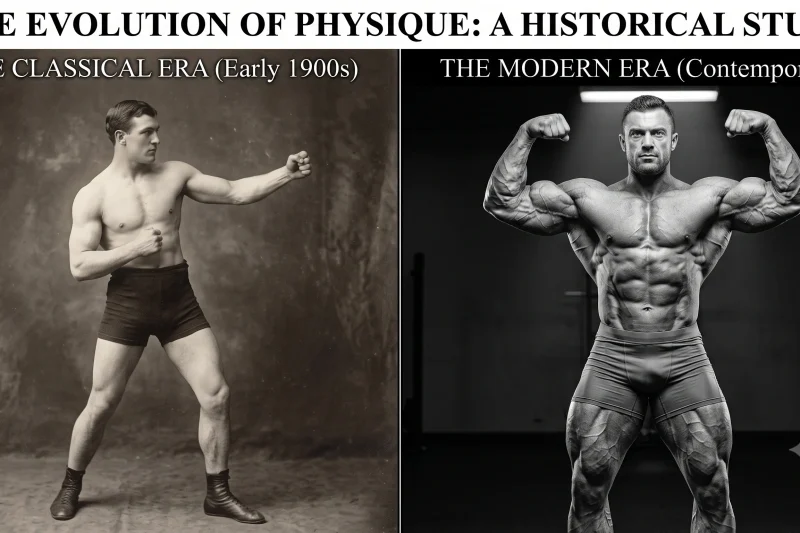
But if you step away from commercial marketing and examine female exercise physiology, the “bulky” narrative quickly falls apart. The biological reality of strength training for women is not about shrinking your footprint; it is about building a body that is structurally denser, physically more resilient, and metabolically more powerful.
This guide cuts through the marketing noise. We will examine the endocrinology of muscle hypertrophy, explain why the “bulky” myth is biologically highly improbable for most women, and outline why picking up challenging weights is one of the most protective investments you can make for your long-term health.
The Biology of “Bulky”: Why It Is a Myth
The common fear of developing an accidentally bulky physique is based on a fundamental misunderstanding of human endocrinology and muscle hypertrophy.
To build massive, bodybuilder-style muscle bulk, your physiology requires two primary drivers: a sustained, significant caloric surplus and high circulating levels of testosterone [3]. Testosterone is the primary androgenic hormone responsible for muscle protein synthesis and myofibrillar repair.
The Hormonal Reality
On average, women possess significantly lower resting levels of circulating testosterone than men. Because of this endocrine profile, even when a woman engages in challenging resistance training and eats a balanced diet, her body simply lacks the baseline chemical signaling required to pack on large amounts of raw muscle volume.
“Women are not small men. Our physiology responds differently to training stimuli. We can get incredibly strong and dense without ever approaching the ‘bulky’ aesthetic that so many fear.” — Dr. Stacy Sims, Exercise Physiologist and Women’s Health Researcher [1]
Furthermore, while testosterone is low, women possess higher levels of estrogen, which is an incredibly protective asset for strength. Estrogen plays a vital role in muscle recovery, spares glycogen during endurance tasks, and supports tendon health. This means women typically recover faster between sets and can handle higher relative training volumes with less muscular damage than men.
When you lift challenging weights, your body undergoes these positive transformations instead of getting bulky:
- Myofibrillar Density: Your muscle fibers become denser and more compact, increasing your overall muscle-to-fat ratio.
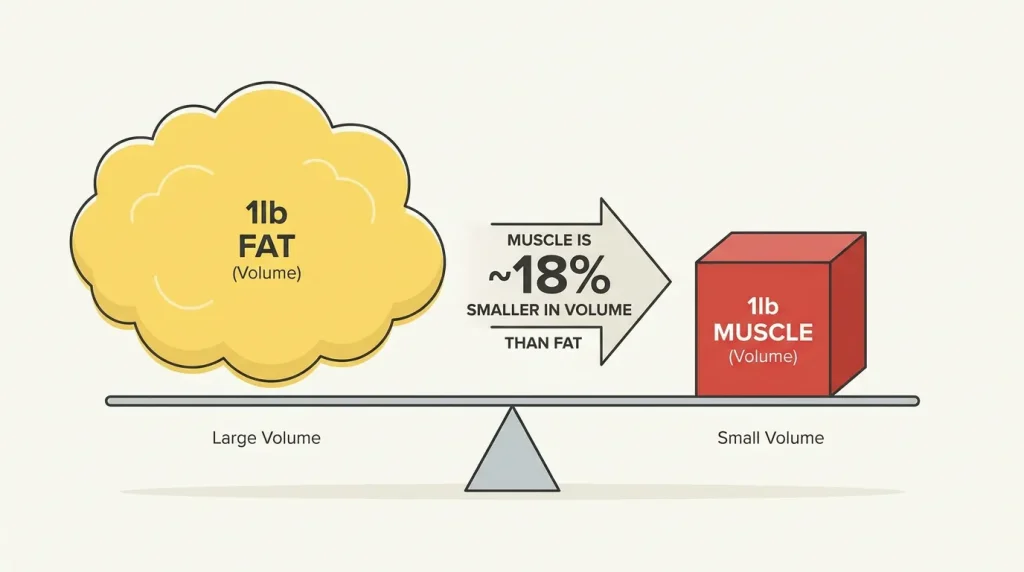
- Body Recomposition: You build lean muscle tissue while simultaneously supporting fat loss. Because muscle tissue occupies roughly 18% less physical volume than fat per pound, you look smaller, tighter, and more athletic—even if the number on the scale remains stable [6].
- Postural Alignment: Strengthening your upper back, glutes, and core pulls your shoulders back and aligns your pelvis, naturally making you stand taller.
The “Toning” Trap: What You Are Actually Looking For
When women express a desire to “tone” their arms, legs, or midsection, what they are actually describing is visible muscle definition.
Physiologically, there is no such thing as “toning” a muscle [6]. A muscle cell cannot be “firmed” or “softened”; it can only grow larger (hypertrophy) or grow smaller (atrophy). Muscle definition is simply the visual result of two distinct physical factors:
- Having sufficient muscle mass to create shape and structure underneath your skin.
- Having a low enough body fat percentage for that muscle shape to be visible.
If you focus exclusively on “toning” workouts—using ultra-light weights for 30 or 40 repetitions—you may burn some active calories, but you are not providing a high enough mechanical tension stimulus to build the muscle fibers that create that underlying shape. You are essentially trying to reveal a sculpture before you have actually carved it.
To achieve an athletic, defined look, you must lift weights that are heavy enough to challenge your muscles within the 8 to 12 repetition range. This is the mechanical sweet spot that stimulates myofibrillar development and carves the underlying structure of your physique.
The Critical Health Benefits: Why Women Must Lift
While the aesthetic changes of weight lifting are a welcome side effect, they are the least important reason for women lifting weights. The systemic physiological protections are profound:
1. Bone Density and Osteoporosis Prevention
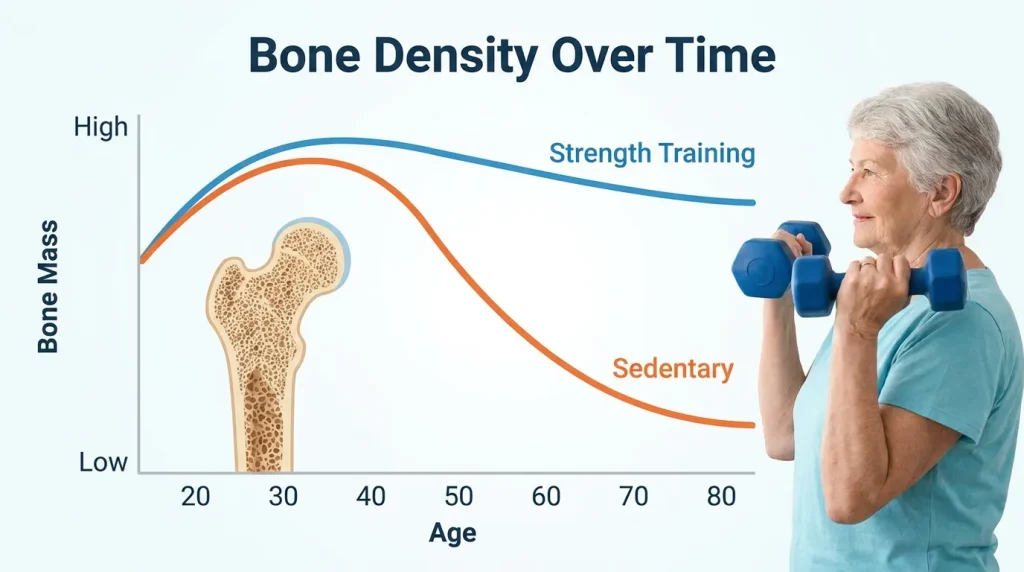
Women face a significantly higher risk of developing osteopenia and osteoporosis than men, particularly during and after menopause. When estrogen levels decline, the body’s natural bone-protection shield weakens, and bone mineral density can drop rapidly.
Strength training is one of the single most effective ways to stimulate bone remodeling [4]. Under Wolff’s Law, bone adapts to the mechanical loads placed upon it. When you perform a squat or a press, the muscles pull on the bone structures, signaling specialized cells called osteoblasts to lay down a denser calcium mineral matrix.
The landmark LIFTMOR randomized controlled trial published in the Journal of Bone and Mineral Research (Watson et al., 2021) proved that high-intensity resistance training safely improves bone mineral density and physical function in postmenopausal women with low bone mass [4].
2. Metabolic Health and Insulin Sensitivity
Skeletal muscle is your body’s largest organ for glucose disposal [5]. When you lift weights, your muscles absorb glucose directly from your bloodstream to use as fuel, improving your insulin sensitivity. This is incredibly important for metabolic health, reducing Type 2 diabetes risk, and managing hormonal conditions like Polycystic Ovary Syndrome (PCOS).
3. Mental Resilience and Empowerment
Lifting a heavy object from the floor is a powerful psychological tool. It shifts your relationship with your body. You stop viewing your body as a passive object to be restricted or shrunk, and start viewing it as an active instrument capable of producing force and managing weight. This physical confidence translates directly into your career, personal boundaries, and self-worth.
How to Start Safely: The StrongHER Philosophy
You do not need to walk into a commercial weight room and immediately load a barbell onto your back to get strong. A sustainable approach prioritizes joint safety and progressive challenge.
Phase 1: Own Your Movement Patterns
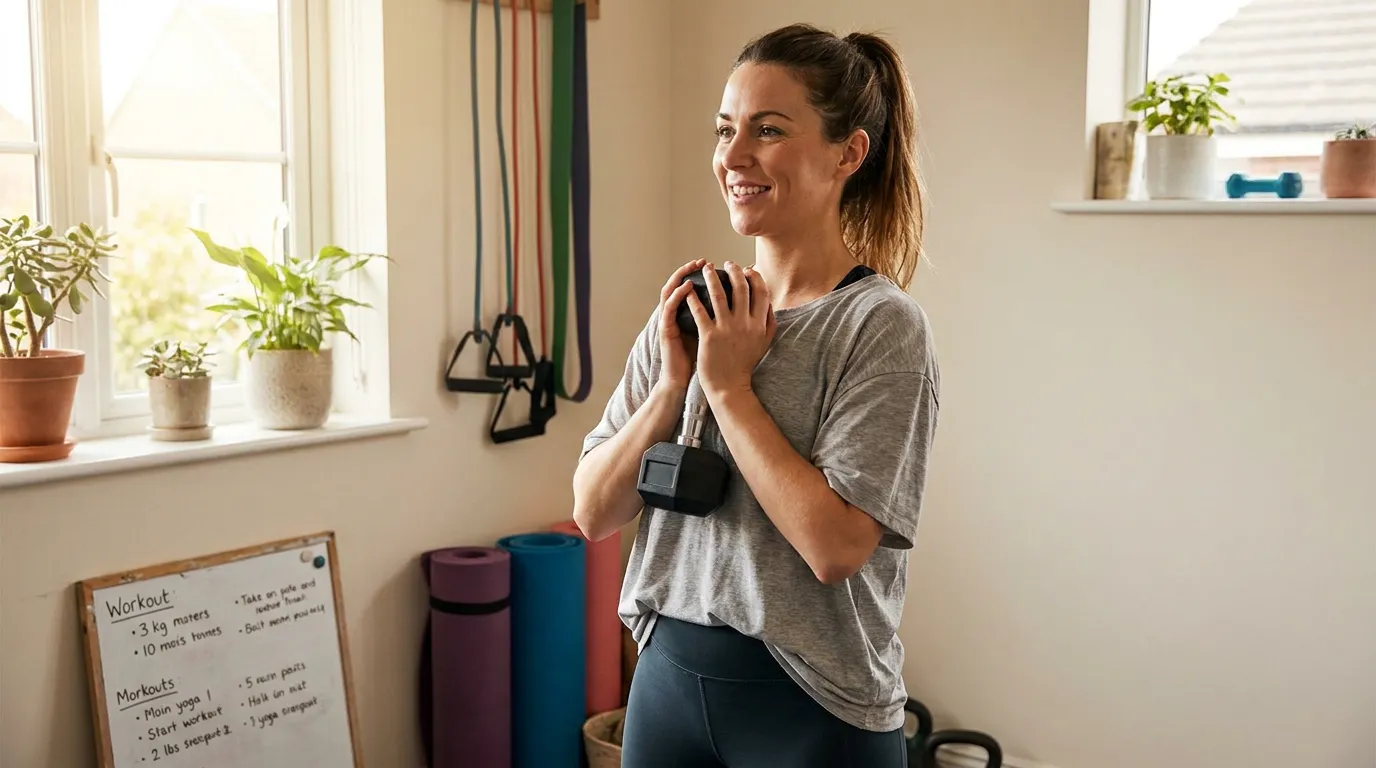
Before adding heavy external loads, master the fundamental movement patterns using your own body weight or light dumbbells. Focus on goblet squats, hip hinges, and incline push-ups. Build the neural pathways first.
Phase 2: Apply Progressive Overload
Once you can perform 12 repetitions of a movement with perfect form, do not simply keep adding reps. Increase the challenge by slowing down your tempo, reducing your rest periods, or moving to a slightly heavier weight. Challenge your muscles, and trust that your body will adapt.
Phase 3: Train with the StrongHER App Module
If you want to apply these precise physiological principles without the pressure of commercial gym spaces, the FitSekai app offers a complete solution.
Inside our premium library, we have designed the StrongHER module—a collection of specialized, women-centric programs that blend strength, mobility, and functional power.
- Adaptive Training Engine: Because your daily energy levels fluctuate naturally, FitSekai does not force you through a rigid, unyielding calendar. After each workout, you rate your physical effort on our simple scale. FitSekai’s adaptive engine automatically adjust reps, holds, and tempos for your next session to match your actual recovery.
- Custom Routine Maker: FitSekai features a flexible Routine Maker, allowing you to easily build a customized home program by mixing and matching our female-focused mobility, strength, and core routines.
- Hands-Free Audio Cues: FitSekai’s Text-to-Speech (TTS) engine announces your exercise transitions and active timers, allowing you to focus entirely on your movement quality. If you want a quick technical reminder, you can manually play the detailed form descriptions aloud.
- 100% Private, Local, and Ad-Free: Build your physical confidence in a space where you feel completely comfortable. FitSekai is entirely ad-free, runs smoothly in True Offline Mode, and operates under an Absolute Privacy policy—all your body logs and metrics stay safely on your local device.
Access the StrongHER module and start training smarter with FitSekai:
- Monthly Subscription: $2.99
- Annual Subscription: $24.99 (Best Value)
- Each subscription includes a risk-free trial.
Final Thought: Build a Body That Lasts
The fear of getting “bulky” from lifting weights is a commercial marketing construct, not a physiological reality.
Your body is designed to move, carry load, and resist gravity. When you engage in consistent strength training, you are not just changing your physical appearance; you are safeguarding your bone density, supporting your metabolism, and building a strong, resilient skeleton that will allow you to maintain your physical independence for decades to come [2].
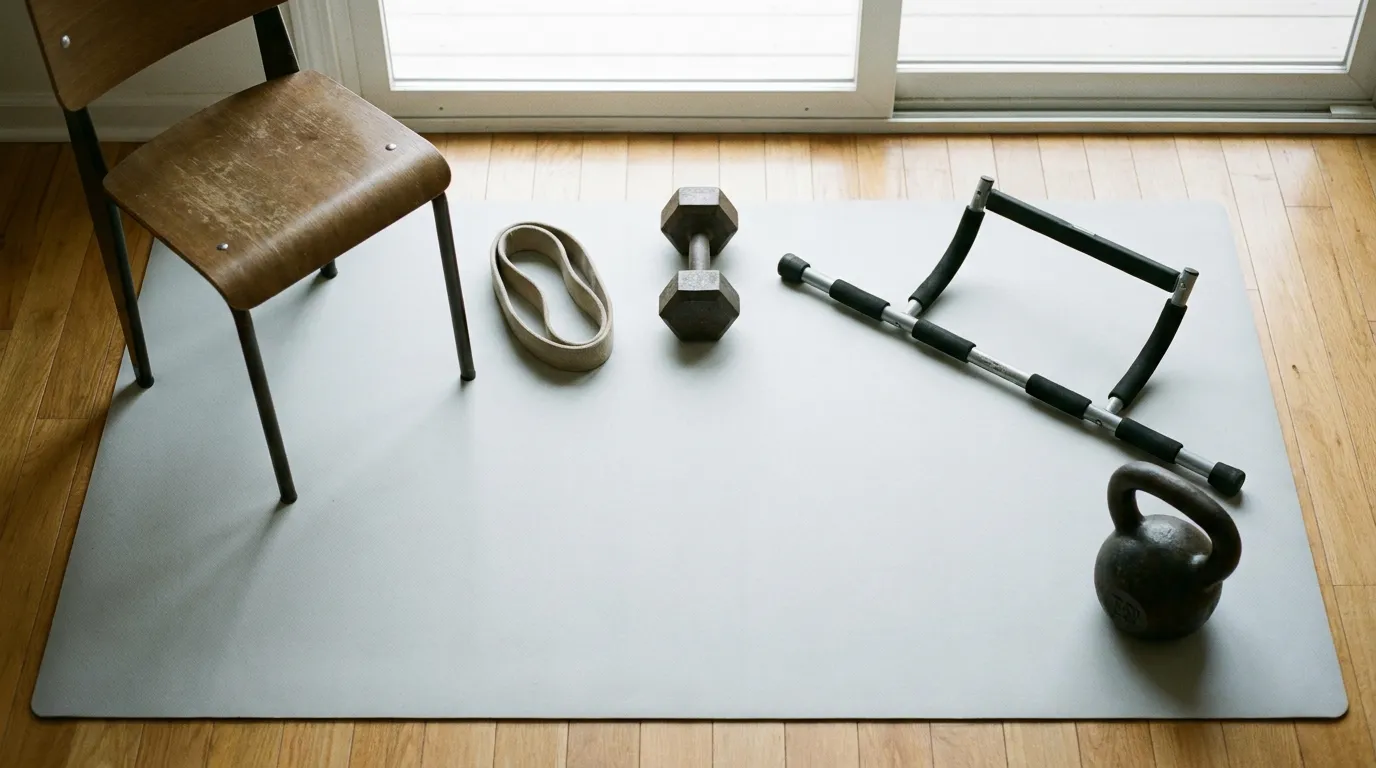
Pick up a dumbbell, step onto your mat, and build a body that is designed to last.
📎 Read Next:
- Strength Training 101: A Complete Beginner’s Guide
- Progressive Overload: The Key to Getting Stronger
- The First 5 Exercises Every Beginner Should Master
- How Much Weight Should You Lift? (Finding Your Starting Point)
References & Further Reading
- Sims, S. (2023). Roar: How to Match Your Food and Fitness to Your Unique Female Physiology for Optimal Performance, Health, and Happiness. Rodale Books. (The definitive text on women’s exercise endocrinology and physiological adaptations) [1].
- American College of Sports Medicine. (2024). ACSM’s Guidelines for Exercise Testing and Prescription (11th ed.). Wolters Kluwer. (Clinical recommendations for cardiovascular and musculoskeletal fitness prescription across different populations) [2].
- National Strength and Conditioning Association. (2024). Essentials of Strength Training and Conditioning (5th ed.). Human Kinetics. (Anatomical differences, hormonal profiles, and strength training program design metrics) [3].
- Watson, S. L., Weeks, B. K., Tollisen, A. L., et al. (2021). High-intensity resistance and impact training improves bone mineral density and physical function in postmenopausal women with osteopenia and osteoporosis: The LIFTMOR randomized controlled trial. Journal of Bone and Mineral Research, 36(3), 456-469. (The landmark LIFTMOR clinical trial proving the efficacy of resistance training on female bone density) [4].
- West, S., et al. (2022). Resistance training and insulin sensitivity in women with PCOS: A systematic review. Clinical Endocrinology, 96(3), 345-353. (Peer-reviewed meta-analysis on the metabolic and insulin benefits of strength training in women) [5].
- Schoenfeld, B. J. (2023). Science and Development of Muscle Hypertrophy (2nd ed.). Human Kinetics. (Evidence-based mechanics of muscle fiber growth, body composition, and mechanical tension) [6].
ID: 26014
Category: Strength Training
Content Type: Myth-Busting / Physiology Guide
Intent: Commercial Investigation / Informational
Word Count: ~1,610 words
Reading Time: ~7 minutes
IMPORTANT LEGAL & CREATIVE DISCLAIMERS
Artificial Intelligence & Generation Disclosure
Please be advised that the written text, formatting structures, hierarchical organization, and creative image generation prompts contained in this guide were researched, structured, and produced with the assistance of advanced artificial intelligence technologies. While the raw narrative generation was AI-aided, all historical references, anatomical mechanisms, and scientific studies (such as the peer-reviewed clinical data from the Journal of Bone and Mineral Research and Clinical Endocrinology) have been manually reviewed, cross-referenced, and verified for complete factual accuracy. The visual illustrations indicated by placeholders represent creative concepts designed to be rendered using AI-assisted graphic and photographic engines.
Health & Physical Activity Advisory
The information and educational materials provided in this guide are intended solely for general informational and learning purposes and do not constitute professional medical advice, clinical physiological diagnosis, or direct medical treatment. Engaging in any physical exercise program, particularly when utilizing modified home furniture or budget equipment, carries inherent risks of physical injury. It is strongly recommended that you consult with a qualified physician or certified healthcare professional before beginning any new training program, especially if you have pre-existing cardiovascular, metabolic, or musculoskeletal conditions. Stop exercising immediately if you experience pain, dizziness, or chest tightness